A noisy engine is annoying, but it’s also often your car telling you something specific. Before you assume the worst, these steps to reduce car engine noise cover the most common, fixable causes first.
Identify the Type of Noise First
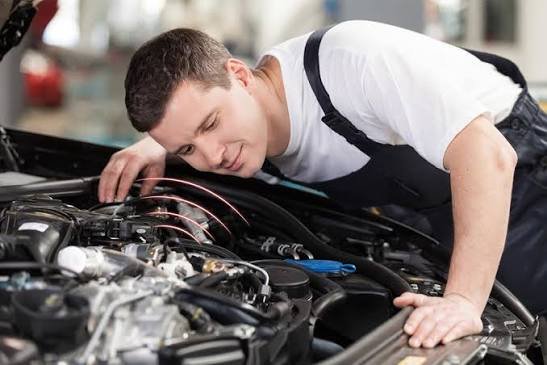
Knocking, ticking, whining, and rattling all point to different issues. A ticking sound often relates to valve train components, while a knocking sound under load could indicate something more serious with the engine internals.
Correctly identifying whether the noise is a tick, knock, whine, or rattle narrows down the likely cause significantly before you even open the hood.
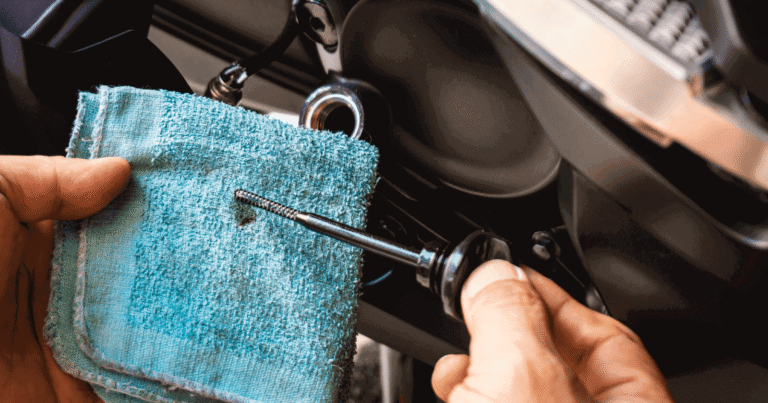
Check Engine Oil Level and Quality
Low or old, degraded engine oil is one of the most common — and easiest to fix — causes of increased engine noise. Old oil loses its lubricating properties, causing more metal-on-metal contact noise within the engine.
Loose Heat Shields and Panels
A surprisingly common source of rattling noise is a loose heat shield underneath the car, not the engine itself. These are cheap and quick to re-secure or replace, and often solve a rattle that sounded far more serious than it was.
Worn Engine Mounts
- Excessive vibration and noise, especially at idle
- Noise that changes noticeably when shifting gears
- Clunking sounds when accelerating from a stop
Worn engine mounts are often overlooked but genuinely common, especially in cars over 5-6 years old on rough roads. Replacing them typically resolves both the noise and the excess vibration transmitted into the cabin.
Worn engine mounts commonly cause both excess noise and vibration simultaneously — if you notice both together, this is worth checking before assuming a deeper engine problem.
Belt-Related Noise
A squealing or chirping noise, especially on startup or during acceleration, often points to a worn or loose accessory belt (serpentine belt). This is a relatively inexpensive fix and shouldn’t be ignored, as belt failure can strand you.
Exhaust System Issues
A rattling or louder-than-normal exhaust note can indicate a loose exhaust component or a developing hole in the muffler or pipe. This tends to worsen over time if left unaddressed, so it’s worth a prompt inspection.
When Noise Signals a Serious Problem
If you hear a deep knocking sound that gets louder with acceleration, stop driving and get it checked immediately — this can indicate serious internal engine damage that worsens quickly if driving continues.
[link to related guide about car care tips summer here]
Frequently Asked Questions
Why does my car engine sound noisier than before? Common causes include low or old engine oil, loose heat shields, worn engine mounts, or belt wear — most are relatively simple fixes.
Is engine knocking always serious? It can indicate serious internal issues, especially if it worsens under acceleration — get it checked promptly rather than ignoring it.
Can old engine oil cause more engine noise? Yes, degraded oil loses lubricating effectiveness, increasing metal-on-metal contact noise within the engine.
What causes a rattling noise under the car? Often a loose heat shield, which is inexpensive to fix and commonly mistaken for a more serious engine problem.
Should I keep driving if I hear a new engine noise? For minor noises, a prompt inspection is fine; for deep knocking that worsens with acceleration, stop and get it checked immediately.
Conclusion
Most attempts to reduce car engine noise start with the simplest, cheapest checks — oil level, heat shields, belts — before assuming something major. Get unusual noises checked early rather than hoping they go away; catching small issues early almost always costs less than waiting for them to become bigger problems.
[Image alt text suggestions: “car engine noise diagnosis”, “engine mount check mechanic”, “car oil level check India”]