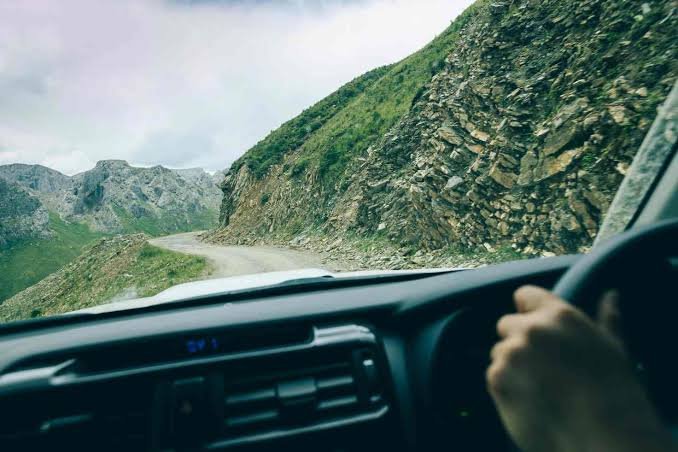
Hill driving demands a completely different mindset than flat highway driving, and a lot of accidents happen simply because drivers don’t adjust their habits. These driving tips hilly roads essentials can genuinely make the difference on a mountain trip.
Engine Braking — Your Best Friend Going Downhill
Riding the brakes continuously downhill overheats them and can lead to brake failure — a genuinely dangerous situation on a mountain road. Instead, shift to a lower gear and let engine braking do most of the work, using brakes only to supplement.
Continuous brake application on long descents causes brake fade from overheating — using a lower gear for engine braking is significantly safer on hilly roads.
Gear Selection Uphill and Downhill
Going uphill, stay in a lower gear to maintain adequate power and avoid engine strain. Going downhill, the same principle applies in reverse — lower gears control speed naturally without over-relying on brakes.
Overtaking on Mountain Roads
- Only overtake on clear, straight stretches with full visibility ahead
- Never overtake near blind curves, regardless of how confident you feel
- Honk at blind curves to alert oncoming traffic of your presence
Managing Fatigue on Long Hill Drives
Hill driving is mentally more tiring than flat highway driving due to constant steering and gear adjustments. Plan breaks every 90 minutes to 2 hours, more frequently than you might on a straight highway drive.
Vehicle Preparation Before a Hill Trip
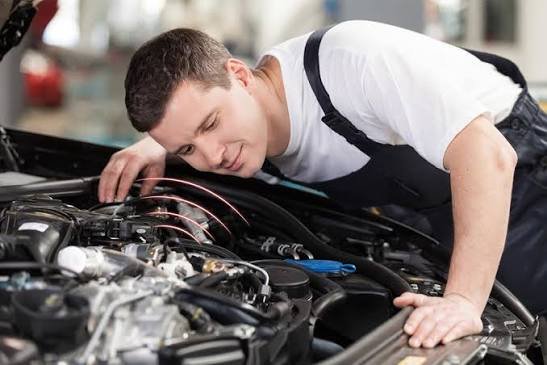
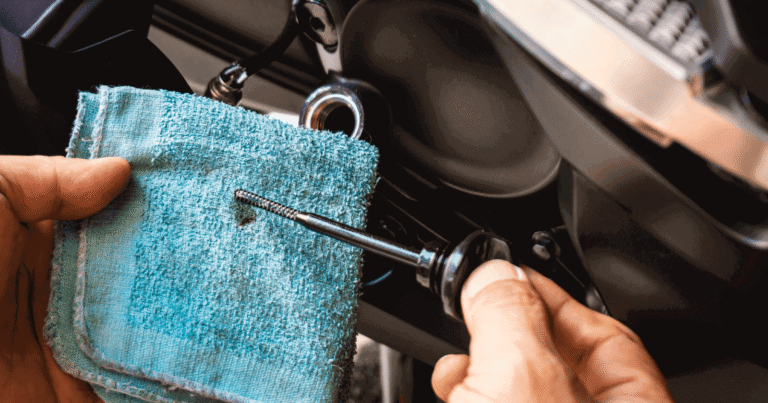
Check brake fluid, tyre condition, and coolant levels specifically before any hill trip — these three systems face the most stress on mountain roads and are the most common causes of hill-trip breakdowns.
Brakes, tyres, and coolant deserve extra pre-trip attention for hill drives specifically, since these systems face far more stress than on flat highway routes.
Handling Fog and Low Visibility
Hill regions often have sudden fog patches, especially in early morning or evening. Use fog lights (not high beams, which reflect and worsen visibility in fog) and reduce speed significantly rather than trying to maintain highway pace.
Parking on Slopes Safely
Always engage the handbrake fully when parked on any incline, and turn your wheels toward the curb (downhill) or away from it (uphill) as an added safety measure against rollback.
[link to related guide about car care tips summer here]
Frequently Asked Questions
Why shouldn’t I ride the brakes continuously on hill descents? Continuous braking causes overheating and brake fade, which can lead to reduced or complete brake failure on long descents.
What gear should I use going downhill on hills? A lower gear for engine braking, using the actual brakes only to supplement speed control, not as the primary method.
Is it safe to overtake on hill roads? Only on clear, straight stretches with full visibility — never near blind curves regardless of confidence level.
What should I check before a hill road trip? Brake fluid, tyre condition, and coolant levels deserve specific attention before any hill drive.
Should I use high beams in hill fog? No, high beams reflect off fog and worsen visibility — use fog lights and reduce speed instead.
Conclusion
Following these driving tips hilly roads essentials isn’t about driving slower out of fear — it’s about driving smarter with techniques suited to mountain conditions. Prepare your vehicle properly, respect blind curves, and let engine braking do the heavy lifting downhill, and hill trips become genuinely enjoyable rather than stressful.
[Image alt text suggestions: “hill road driving safety India”, “mountain road overtaking blind curve”, “car engine braking downhill”]