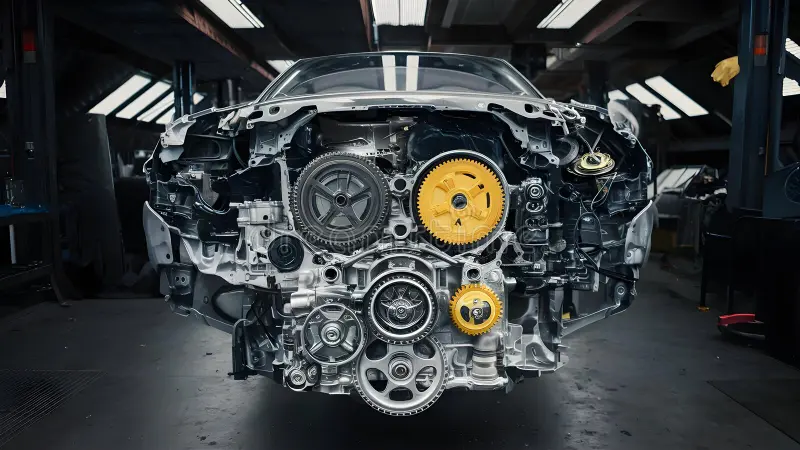
This turbo vs naturally aspirated engine debate comes up constantly among car buyers trying to decide between two fundamentally different approaches to getting power out of an engine. Let’s break down what genuinely matters.
How Each Engine Type Actually Works
A naturally aspirated engine relies purely on atmospheric pressure to draw air in, while a turbocharged engine forces additional compressed air into the cylinders, allowing smaller engines to produce more power.
Quick answer: In the turbo vs naturally aspirated engine comparison, turbo engines offer better power-to-displacement ratio and efficiency, while naturally aspirated engines provide simpler, more predictable power delivery and generally lower long-term maintenance complexity.
Performance Characteristics
Turbo engines typically deliver a noticeable “kick” once boost builds up, while naturally aspirated engines provide more linear, predictable power delivery throughout the rev range.
- Turbo: strong low-to-mid range torque, slight lag before boost kicks in
- Naturally aspirated: consistent power delivery, no lag, but generally lower peak torque for similar displacement
Fuel Efficiency Comparison
Turbo engines generally offer better fuel efficiency during gentle, everyday driving since they’re often smaller in displacement. However, aggressive driving that frequently uses boost can actually reduce this efficiency advantage significantly.
[link to related guide about turbo petrol engine cars here]
Maintenance and Long-Term Reliability
Naturally aspirated engines are mechanically simpler, with fewer components that can potentially fail. Turbo units add complexity, though modern turbochargers are generally reliable when maintained properly with correct oil and service intervals.
Which Type Suits City Driving Better?
For pure city driving with lots of stop-and-go traffic, naturally aspirated engines’ predictable power delivery can feel more manageable, though modern turbo engines have significantly reduced lag issues that used to make city driving trickier.
[link to related guide about how to improve car mileage here]
Which Type Suits Highway Driving Better?
Turbo engines genuinely shine on highways, where that extra torque makes overtaking and merging noticeably easier and more confident compared to naturally aspirated engines of similar displacement.
Cost Considerations
Turbo variants typically cost more upfront and can have slightly higher long-term maintenance costs due to additional components, though the performance and efficiency benefits often justify this for many buyers.
FAQs
Q1. Which is more fuel efficient — turbo or naturally aspirated engines? Turbo engines generally offer better efficiency during gentle driving, though aggressive use can reduce this advantage.
Q2. Are turbo engines less reliable than naturally aspirated ones? Not necessarily — modern turbo units are generally reliable with proper maintenance, though they do add mechanical complexity.
Q3. Which engine type is better for city driving? Naturally aspirated engines offer more predictable power delivery for city driving, though modern turbos have significantly reduced lag issues.
Q4. Do turbo engines cost more to maintain long-term? Generally yes, due to additional components, though the difference isn’t usually dramatic with proper maintenance.
Q5. Which engine type is better for highway driving? Turbo engines typically perform better on highways due to stronger torque available for overtaking and merging.
Conclusion
The turbo vs naturally aspirated engine decision really depends on your specific driving pattern and priorities. Turbo engines offer better efficiency and highway performance, while naturally aspirated engines provide simplicity and predictable power delivery. Consider your typical driving conditions honestly before deciding which approach genuinely suits your needs better.
Alt text suggestions:
- Turbocharger component close-up engine bay view
- Naturally aspirated engine bay showing simple design
- Comparison diagram of turbo and NA engine airflow