Most modern bikes come with self-start as standard, but the kick start vs self start bike debate still comes up, especially for buyers considering budget or older-style motorcycles. Let’s settle this practically.
How Self Start Actually Works
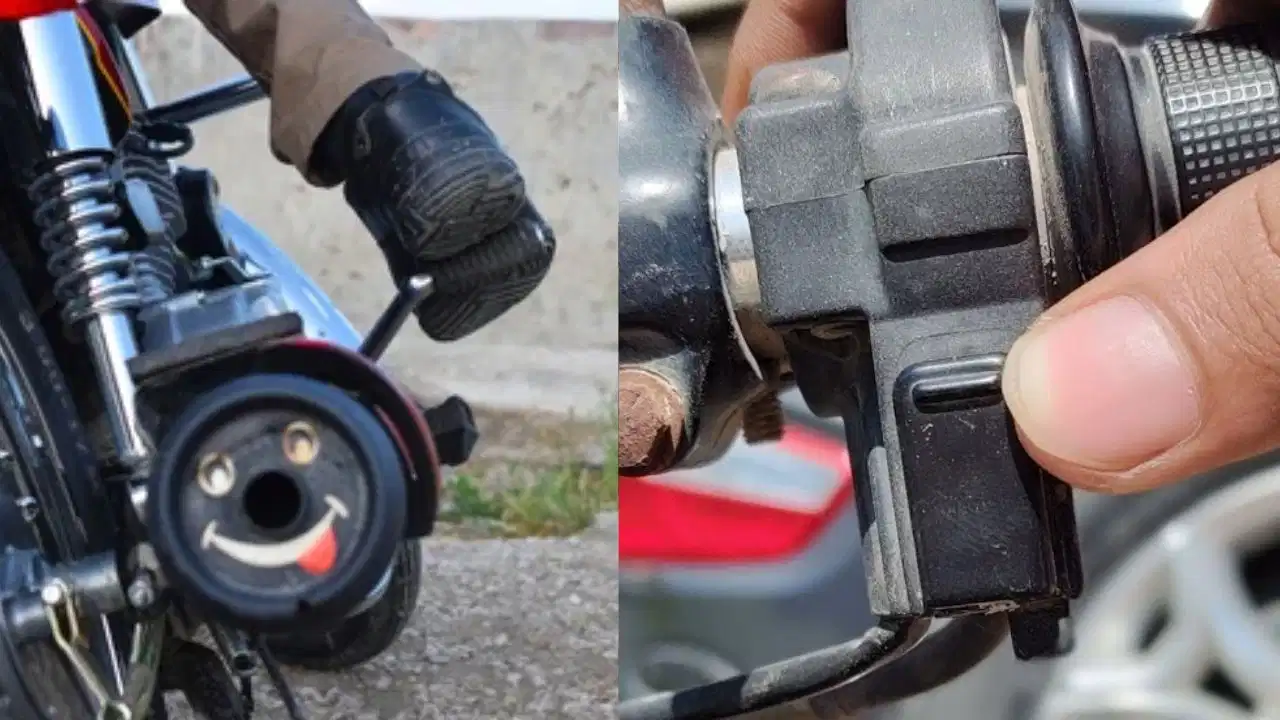
Self-start uses a battery-powered electric motor to crank the engine, giving you instant starting with just a button press — no physical effort required.
Quick answer: In the kick start vs self start bike comparison, self-start offers convenience and speed, while kick start provides a reliable backup option when the battery dies, particularly valuable for older or budget bikes.
The Case for Self-Start Only Bikes
Most modern commuter bikes rely entirely on self-start, and honestly, for daily convenience, it’s hard to argue against it. One press, and you’re moving — no fuss, no physical exertion needed.
Why Some Riders Still Value Kick Start
Here’s something worth considering — if your battery dies unexpectedly (which does happen more often than people expect, especially with older batteries), kick start acts as a genuine backup that self-start-only bikes simply don’t have.
- Battery failure leaves self-start-only bikes completely stranded
- Kick start works regardless of battery condition
- Useful in remote areas where jump-starting assistance isn’t easily available
[link to related guide about first bike for beginners here]
Bikes That Still Offer Both Options
Several models genuinely offer both kick and self-start:
- Royal Enfield Classic 350 and Bullet models
- Certain Bajaj Platina and CT100 variants
- Some Hero Splendor variants in specific markets
Battery Maintenance Becomes More Important Without Kick Start
If your bike only has self-start, battery health matters significantly more. Regular riding keeps the battery charged naturally, but if the bike sits unused for weeks, you might face starting trouble.
[link to related guide about extend car battery life here]
Which Should You Actually Choose?
For daily city riders with reliable riding frequency, self-start-only bikes work perfectly fine. If you’re someone who occasionally leaves the bike parked for extended periods, or rides in remote areas with limited assistance access, having kick start as backup genuinely provides peace of mind.
The Practical Reality for Most Buyers
Honestly, for the vast majority of urban riders today, this decision matters less than it used to. Battery technology has improved significantly, and most modern bikes rarely leave riders stranded due to battery issues if maintained reasonably well.
FAQs
Q1. Is kick start still relevant on modern bikes? It’s less critical now due to improved battery technology, but still valuable as a backup for remote riding or infrequent use.
Q2. What happens if a self-start-only bike’s battery dies? You’ll need external jump-start assistance or a battery replacement, since there’s no backup starting method available.
Q3. Do any modern bikes still offer both kick and self-start? Yes, several Royal Enfield and Bajaj models continue offering both options for added reliability.
Q4. Does kick start affect a bike’s price significantly? Not usually a major factor — the price difference is minimal compared to other spec variations.
Q5. Should beginners worry about choosing kick start bikes? Not particularly — self-start alone works fine for most riders with regular usage and reasonable battery maintenance.
Conclusion
The kick start vs self start bike decision ultimately comes down to your specific riding pattern and risk tolerance. For most daily urban riders, self-start alone works perfectly well. If you value that extra backup option for remote areas or infrequent use, look specifically for models still offering both features. Either way, keeping your battery properly maintained matters more than which starting method you choose.
Alt text suggestions:
- Bike kick start lever close-up mechanical detail
- Rider pressing self-start button on motorcycle
- Royal Enfield Classic 350 showing dual start options