There’s a particular kind of frustration when your bike won’t start and you’re already running late. Most bike not starting reasons are actually fairly simple to diagnose once you know where to look.
Battery Issues — The Most Common Culprit
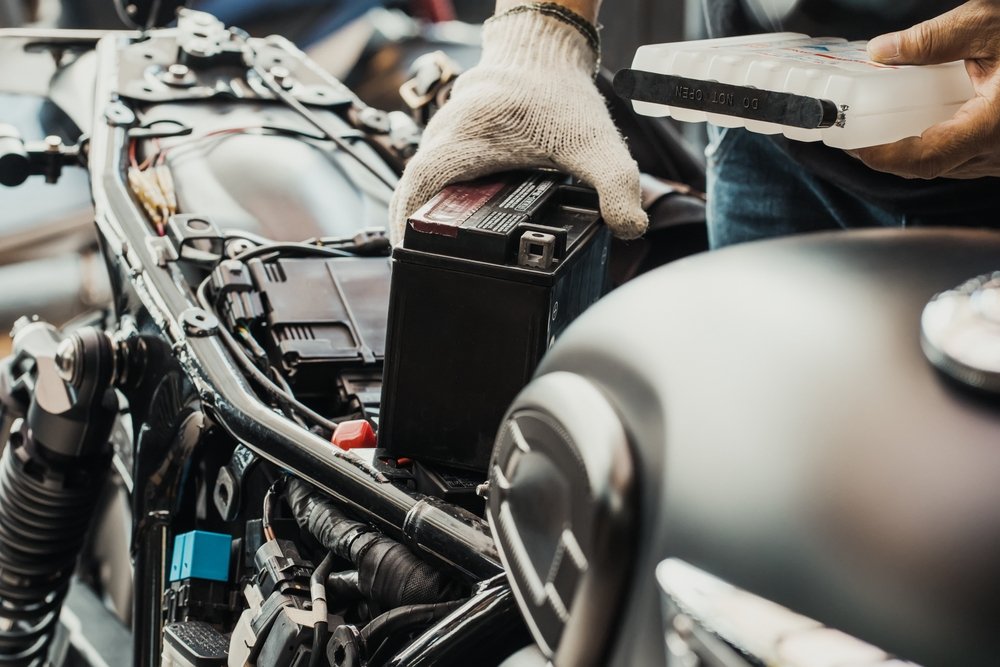
A weak or dead battery accounts for a huge share of starting problems, especially in bikes with electric start. If the horn sounds weak or headlights are dim before you even try starting, the battery is likely your issue.
Weak or dead batteries cause the majority of bike starting problems — a quick horn and headlight check before attempting to start can confirm this in seconds.
Fuel-Related Problems
- Empty tank (happens more often than people admit)
- Stale fuel after long periods of non-use
- Clogged fuel filter restricting flow to the carburettor or injector
If your bike has been sitting unused for weeks, old fuel can genuinely cause starting trouble — it degrades and doesn’t combust properly anymore.
Spark Plug Issues
A fouled or worn spark plug is another frequent cause, particularly in older bikes or those overdue for servicing. A quick visual check — is it black, oily, or cracked? — often reveals the problem immediately.
Choke and Carburettor Problems (For Carbureted Bikes)
Cold morning starts sometimes need proper choke usage, and if you’re not using it correctly, that alone can cause starting trouble. A dirty carburettor, especially in bikes that haven’t been serviced in a while, is another common cause.
Kill Switch and Ignition Issues
It sounds almost too obvious, but check that the kill switch is in the “run” position — this happens more often than riders like to admit, especially if the bike was recently serviced or handled by someone else.
Before assuming a major mechanical issue, always double-check the kill switch position — an accidentally flipped switch is a surprisingly common cause of “no start” complaints.
Starter Motor Problems
If you hear a clicking sound but the engine doesn’t turn over, the starter motor itself might be faulty, or the connection to it could be loose or corroded. This usually needs a mechanic’s attention rather than a DIY fix.
When to See a Mechanic vs DIY Fix
Battery, fuel, and kill switch checks are safe for most riders to do themselves. If you’ve ruled these out and the bike still won’t start, it’s time for a proper diagnostic at a service centre rather than continued guesswork.
[link to related guide about bike test ride checklist here]
Frequently Asked Questions
Why does my bike suddenly not start after working fine yesterday? Most often a weak battery, empty or stale fuel, or an accidentally engaged kill switch — check these first.
Can old fuel cause a bike to not start? Yes, fuel that’s sat unused for weeks can degrade and cause starting difficulty, especially in carbureted bikes.
How do I know if my bike battery is dead? Weak horn sound and dim headlights before attempting to start are strong indicators of a failing battery.
Should I try jump-starting my bike myself? It’s possible for basic jump-starts, but if you’re unsure, it’s safer to have a mechanic assist to avoid electrical damage.
Is a clicking sound when starting a serious problem? It often points to a starter motor or connection issue, and typically needs professional diagnosis rather than a DIY fix.
Conclusion
Working through common bike not starting reasons systematically — battery, fuel, kill switch, spark plug — solves the problem yourself most of the time without an emergency mechanic visit. Keep this checklist in mind next time your bike refuses to start; chances are it’s something simple, not a major mechanical failure.
[Image alt text suggestions: “bike not starting troubleshooting”, “bike battery check India”, “spark plug condition check bike”]