
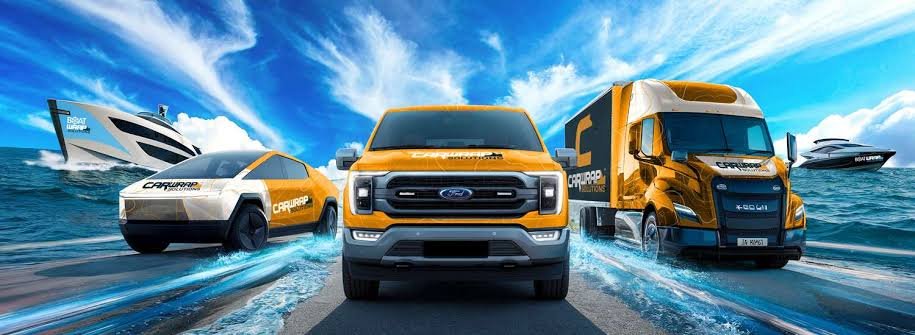
A commercial vehicle does more than carry tools, products, or people from one place to another. It also represents the business behind it. Every time a van pulls into a customer’s driveway or a truck travels through a busy town, people have an opportunity to notice the company name, recognize its colors, and remember what it offers. That kind of visibility is easy to overlook, yet it can become a valuable part of a company’s marketing strategy.
For businesses that depend on local recognition, a well-designed vehicle can work like a moving sign. It reaches people while they commute, shop, walk through neighborhoods, or wait at traffic lights. Unlike an online advertisement that disappears when someone scrolls past, vehicle graphics can be seen repeatedly in different places. Over time, those small moments of exposure may help turn an unfamiliar name into one that customers recognize.
Making Vehicle Branding Work in the Real World
Good vehicle branding begins with a simple question: what should someone understand after seeing the vehicle for just a few seconds? The answer should be clear. A company name, a recognizable logo, a short description of its services, and an easy way to get in touch are often more effective than a design crowded with too much information.
That is where thoughtful vehicle wrap solutions can make a difference. A professional wrap can cover part or all of a vehicle, creating a consistent appearance that reflects the company’s personality. A plumbing business might use bold lettering and a clean color scheme, while a creative agency could choose something more expressive. The design should feel connected to the brand rather than looking like an advertisement added as an afterthought.
It also helps to think about the audience. A business serving homeowners may want its contact details to be easy to read from the street. A company working with other businesses might prefer a more understated, polished look. Neither approach is automatically right for every situation. The strongest choice is the one that communicates the business clearly to the people it wants to reach.
Why Readability Matters More Than Decoration
It is tempting to fill a vehicle with bright colors, large images, slogans, and every service the company provides. But a moving vehicle gives people very little time to process information. If the lettering is too small or the design has too many competing elements, the message can become difficult to remember.
A useful design usually has a clear visual hierarchy. The company name should stand out, the main service should be easy to understand, and the contact information should be placed where people can find it without searching. Colors should provide contrast, while fonts need to remain legible from a reasonable distance.
Before approving a design, look at it as if you were seeing it for the first time on the road. Can you identify the business quickly? Is the message clear without reading every word? Would the important details remain visible in ordinary daylight and changing weather? These practical checks can reveal problems that are less obvious when viewing a design on a computer screen.
Giving Trucks a Strong and Consistent Appearance
Large commercial vehicles offer a substantial surface for branding, but their size also creates design challenges. Doors, handles, hinges, windows, and curved panels can interrupt lettering or images. A layout that looks excellent on a flat screen may not work as well once it is fitted to the actual vehicle.
Well-planned truck wrap graphics take the vehicle’s shape into account from the beginning. Designers need to consider how the artwork will appear across different panels, where key information should sit, and how the design will look from the side, front, and rear. The aim is to make the branding feel intentional from every useful viewing angle.
Consistency is just as important when a business operates several trucks. Each vehicle should look like part of the same company, even if the models or dimensions differ. Using the same logo treatment, core colors, typography, and messaging helps create a recognizable fleet. That familiarity can be especially useful for companies whose vehicles visit the same commercial areas or neighborhoods regularly.
At the same time, consistency does not mean every vehicle must be identical. A design can be adapted to fit different body styles while retaining the brand’s central visual features. The result is a fleet that feels coordinated without forcing a single layout onto vehicles that have very different shapes.
Trailer Wraps Offer Space for Bigger Ideas
Trailers can be particularly useful for businesses that want to make a strong impression. Their broad surfaces provide room for larger graphics, service information, product imagery, or a simple brand message. Because trailers often travel long distances or remain parked at work sites, their graphics may be seen in a variety of settings.
Thoughtfully designed trailer wraps can turn that space into a practical branding opportunity. A construction company might emphasize its name and core services, while a distributor could use recognizable product images to help customers connect the vehicle with the business. The important thing is to choose a message that suits the audience and the way the trailer is used.
The physical environment matters, too. Trailers can be exposed to road grime, rain, sunlight, and frequent loading activity. Designs should account for these conditions, especially in areas that experience heavy wear. Selecting suitable materials and preparing the surface correctly can help the finished graphics maintain their appearance over time.
Choosing Materials and Installation Carefully
The quality of a vehicle wrap depends on more than the artwork. Materials, surface preparation, installation techniques, and the condition of the vehicle all influence the final result. A wrap installed over damaged paint or a poorly prepared surface may not perform as expected, no matter how attractive the design looks.
A reliable provider should explain the available material options and how they suit the intended application. Different vehicles and working conditions may call for different approaches. Businesses should also ask about installation timelines, care instructions, warranty coverage, and what happens if a section becomes damaged.
Preparation is worth taking seriously. The vehicle should be inspected before work begins, and any relevant surface issues should be discussed in advance. Clear expectations help prevent misunderstandings and make it easier to judge the finished result fairly.
After installation, routine care can help protect the investment. Following the installer’s cleaning recommendations, avoiding harsh chemicals, and addressing damage promptly can help preserve the wrap’s appearance. The right maintenance approach will depend on the material and the vehicle’s everyday use.
Measuring the Value of Vehicle Branding
Vehicle graphics do not guarantee a particular number of calls or sales, and their impact can be difficult to measure precisely. Still, businesses can look for practical signs of progress. They might ask new customers how they heard about the company, track inquiries that mention seeing a branded vehicle, or compare local recognition before and after updating a fleet.
It is also useful to review the design periodically. A phone number may change, a service offering may expand, or a company may refresh its identity. Keeping vehicle graphics accurate prevents customers from seeing outdated information and helps the brand remain consistent across its other marketing materials.
Making Every Journey Part of the Brand
Vehicle graphics are most effective when they combine good design with a clear understanding of how a business operates. The right colors and lettering help people recognize a company, while sensible placement and durable materials make the branding useful in everyday conditions.
Whether a business operates one van or a fleet of trucks and trailers, its vehicles can contribute to a more recognizable identity. With careful planning, professional installation, and regular maintenance, every journey becomes another opportunity to introduce the business to potential customers. It is a practical approach to marketing—one that keeps working wherever the road leads.